Rare British Medals Worth Money: Valuable UK Medal Guide
From the Victoria Cross to historic campaign medals, learn how rarity, provenance and condition affect the value of British Military Medals.
Updated 27 October 2026
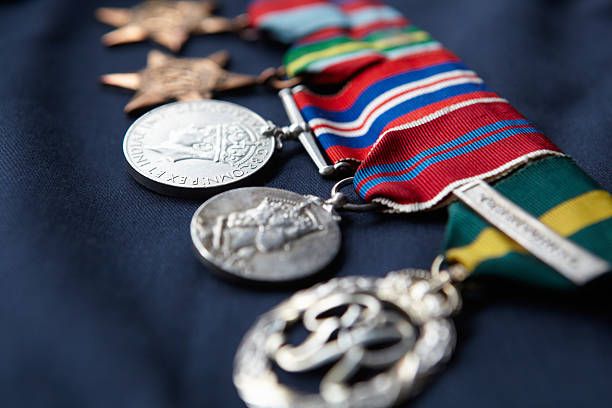
Rare British Medals Worth Money: UK Medal Valuation Guide
British military medals are more than historical objects. Each one tells a story of courage, service, sacrifice or a defining moment in history. For collectors, some medals are particularly desirable because of their rarity, the circumstances in which they were awarded, or the identity of the person who received them.
If you have inherited a medal collection, discovered medals among family belongings, or simply want to understand what makes certain awards valuable, it is worth knowing which types attract collector interest.
So, which rare British medals are worth money, and what should you look for when assessing a collection?
What Makes a British Medal Valuable?
Not every old medal is rare, and age alone does not determine its value. Two medals that look almost identical can sell for very different amounts depending on their history and condition.
Collectors and specialists generally consider several factors:
Rarity: Medals issued in small numbers, or those associated with a particular battle or unusual campaign, can attract considerable interest.
The recipient: A medal awarded to a person involved in a documented act of gallantry or a significant historical event may be more desirable than a common example of the same award.
Provenance: Documents, service records, photographs, original boxes and family correspondence can help establish a medal's history and strengthen confidence in its attribution.
Completeness: A group of medals awarded to one individual can be more desirable than the same medals separated into individual pieces, particularly when the group remains intact and its history can be verified.
Condition and originality: Original ribbons, clasps and naming can all matter. Avoid cleaning, polishing or attempting to repair a medal before it has been assessed.
Ultimately, a medal's value depends on the particular item and what can be established about it. The history behind the medal can be just as important as the decoration itself.
1. The Victoria Cross (VC)
The Victoria Cross is Britain's highest award for gallantry. Established in 1856, it recognises acts of exceptional bravery in the presence of the enemy.
It is one of the most recognisable and sought-after military decorations in the world. The National Army Museum records 1,358 Victoria Cross awards since its introduction, including awards for service in both World Wars.
Because of the decoration's significance and relative rarity, genuine Victoria Crosses can achieve exceptional prices when they appear on the market.
However, there is no single value that applies to every example. The recipient's identity, the action for which the cross was awarded, the supporting documentation and the medal's history can all influence collector demand.
A Victoria Cross with a well-documented story and strong provenance is an especially important historical object. Any suspected example should be handled by a suitably qualified specialist.
2. The George Cross (GC)
The George Cross was instituted in 1940 to recognise acts of great bravery, including civilian gallantry and bravery outside direct combat with the enemy.
It is the civilian counterpart to the Victoria Cross in the hierarchy of Britain's highest gallantry awards, and genuine examples can be highly sought after.
As with other important decorations, the circumstances of the award are crucial. The recipient's story, contemporary records and the rarity of the particular award can all influence its market value.
A George Cross should never be valued solely by its appearance or the material from which it is made. Its historical significance and documented attribution are central to understanding its importance to collectors.
3. The Distinguished Conduct Medal (DCM)
The Distinguished Conduct Medal was awarded to non-commissioned officers and other ranks for distinguished conduct in the field. It became particularly associated with gallantry during the First World War.
Although it is not as scarce as the Victoria Cross, some examples are highly collectible, especially when the recipient's actions can be researched and verified.
Collectors may be particularly interested in medals associated with a notable engagement, a documented act of bravery or a recipient whose service history is well recorded.
The medal's naming can provide a valuable starting point for research. A name, rank, service number or regiment may help connect the decoration to military records and contemporary accounts.
An identified medal is not automatically a rare one, but discovering the recipient's story can reveal details that are not apparent from the medal alone.
4. The Military Cross (MC)
The Military Cross was introduced in 1914 and is awarded for exemplary gallantry during active operations against the enemy. It is closely associated with officers and, following changes to the award's eligibility, other ranks as well.
Military Crosses from the First and Second World Wars are collected by enthusiasts interested in individual acts of bravery and the wider history of military service.
Some examples attract greater interest because of the recipient's documented actions, a notable unit association or a particularly well-researched service history.
A Military Cross accompanied by its original citation, service documents or contemporary photographs may offer a much fuller picture of the award than an isolated medal.
As always, the decoration's title alone is not enough to establish a price. The exact award and its background need to be considered.
5. The Distinguished Flying Cross (DFC) and Distinguished Flying Medal (DFM)
British aviation awards can be especially interesting to collectors of military history.
The Distinguished Flying Cross recognises acts of gallantry during active operations in the air. The Distinguished Flying Medal was historically awarded to non-commissioned officers and other ranks for similar service.
Medals associated with the Royal Flying Corps, Royal Air Force, Bomber Command and other notable aviation units can attract interest, particularly where the recipient's operational record is known.
A medal group linked to a documented aircrew member may have added historical significance if supporting records establish the individual's role, missions or wartime experiences.
The value of an aviation award depends on the specific decoration and its history, not simply on whether the recipient served in a famous unit.
6. Medals from the Waterloo, Crimea and Zulu War Campaigns
Campaign medals can also be valuable, especially when they relate to significant nineteenth-century conflicts or have a rare and interesting combination of characteristics.
Waterloo Medal
The Waterloo Medal was awarded to those who took part in the Waterloo campaign of 1815. It is an important early British campaign medal and continues to remain of interest to collectors of the Napoleonic Wars.
An example's recipient, rank, regiment and historical background can influence its desirability. A medal linked to a notable individual or a particularly interesting service history may attract more attention than a more typical example.
Crimea Medal
The Crimea Medal commemorates British service during the Crimean War of 1854–1856. Clasps identifying particular battles or engagements can be important when assessing an example.
The recipient's service, the combination of clasps and any surviving records can help determine how desirable a particular medal may be.
South Africa Medal and Zulu War Clasp
Medals associated with the Anglo-Zulu War of 1879 can be particularly interesting to collectors because of the conflict's historical significance and popular culture ties around it.
An example linked to a documented participant in a famous engagement may attract strong interest. However, the presence of a campaign medal or clasp does not by itself prove involvement in a specific celebrated action. The attribution must be researched.
For all three campaigns, it is important to establish the medal's exact issue, naming and history before drawing conclusions about its value.
7. Rare Medal Groups and Unusual Clasp Combinations
Sometimes, the most interesting item in a collection is not a single decoration but a group of medals awarded to the same person.
A group can document a serviceman or woman's career across several campaigns, operations or periods of service. When the medals remain together and the recipient can be identified, the collection may offer a much richer historical record and command a far higher price at auction.
Collectors may pay particular attention to groups that include:
- Gallantry awards alongside campaign medals.
- Unusual or scarce combinations of campaign clasps.
- Medals linked to a documented act of bravery.
- Awards associated with a notable regiment, ship, squadron or operation.
- Original documents, photographs or correspondence that support the attribution.
Keep medal groups together wherever possible. Separating medals may remove important context and make the collection harder to research.
If you have inherited a group, keep any paperwork and related family material with it until a specialist has had an opportunity to examine everything.
How to Find Out Who Received a Medal
Researching the recipient is often one of the most rewarding parts of medal collecting. It can also help establish whether a medal has a particularly interesting history.
If your medal is named, start by carefully recording the inscription. Depending on the medal, this may include the recipient's name, rank, service number and regiment or service.
Useful research sources include:
- The National Archives: Its military research guides explain how to investigate gallantry awards, campaign medals and service records.
- The London Gazette: Official announcements can help confirm many British gallantry awards.
- Service records and medal rolls: Depending on the period and service, these may provide details of the recipient's military career.
- Regimental and service museums: These can sometimes help with unit histories and specialist research.
- Family records: Letters, photographs, certificates and diaries may provide valuable supporting evidence.
The National Archives' guide to British military gallantry medals is a useful starting point for researching awards such as the Victoria Cross, Distinguished Service Order, Military Cross and Military Medal.
Take care not to assume that a name alone proves an attribution. Similar names and incomplete records can lead to mistakes, so findings should be checked against other details wherever possible.
What Should You Do If You Think Your Medal Is Rare?
If you believe you have discovered a rare British medal, a few simple precautions can help protect both its condition and its historical significance.
1. Do not clean or polish it. Cleaning can damage the original surface and may reduce collector appeal.
2. Keep the complete group together. Retain ribbons, clasps, boxes, miniatures and related documents.
3. Take clear photographs. Photograph the front and back of each medal, its ribbon, any clasps, and the edge or naming where visible. Avoid dismantling a mounted group just to photograph individual pieces.
4. Record what you know. Note where the medals came from, any known family connection, and any stories or documents associated with them. These will help valuers, such as ours at Sell My Medals, to get a fuller understanding of these
5. Seek a specialist assessment. An experienced medal specialist can help identify the items, research the recipient and assess their potential market value.
Avoid making a decision based only on an online listing for a medal that looks similar. An asking price is not the same as a confirmed sale price, and two apparently similar medals can have very different histories.
How Much Are Rare British Medals Worth?
There is no universal price list that can accurately value every British military medal. Some common campaign medals may have modest collector values, while exceptionally rare gallantry awards or well-documented groups can sell for substantial sums.
The factors that often matter most include:
- The exact medal and any associated clasps.
- The number issued and how frequently comparable examples appear on the market.
- The recipient's identity and documented service.
- The significance of the action or campaign.
- The completeness and condition of the group.
- The strength of its provenance.
- Recent sale results for genuinely comparable items.
It is also important to understand the difference between an auction estimate, a final hammer price, the total paid by a buyer including fees, and the amount a seller ultimately receives. These figures are not interchangeable.
A reliable valuation should take the particular medal or group into account, rather than relying on broad online price ranges.
Sell Your British Medals
If you have inherited British military medals or own a collection you are considering selling, identifying the items and understanding their history is a sensible first step.
At Sell My Medals, we help people explore the options for selling medal collections. Whether you have a single medal, a group of campaign medals or an award that you believe may be rare, providing clear photographs and any available background information can help with an initial assessment.
You can learn more about the process on our Sell Your Medals page, or explore our Medal Guide for further information about identifying and understanding medals.
Think you may have a rare British medal? Keep it safe, preserve any accompanying documents and send some photos and a message to our specialists for a FREE medal valuation.